OSI Models
The open system interconnection model (OSI) is made up of 7 different standard layers. Which are the physical layer, data link layer, network layer, transport layer, session layer, presentation layer and Application layer. It is also important to note that for a network to be established, these 7 layers must be observed either physically or logically. Below is an acronym to use in remembering the 7 layers in the OSI model in their respective order.
P- Please D- Do N- Not T- Throw S- Sausage P- Pizza A- Away It is important to note that the above layers is listed from the first to the seventh layer and it is the standard arrangement worldwide.
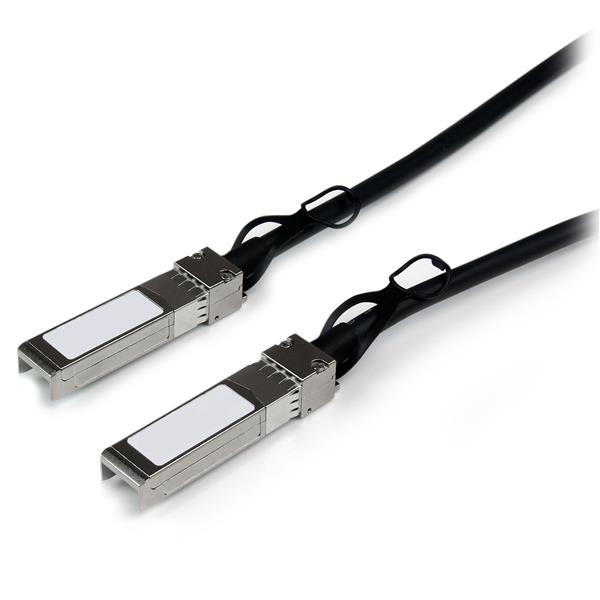
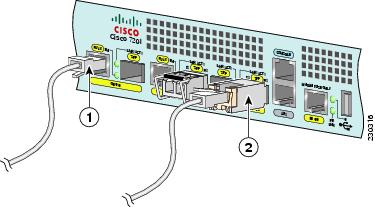
Physical layer: This has to do with sending and receiving raw data on a network using physical mediums like the cables. This layer has to do with data encoding. Data in the computer is in bits i.e 0's and 1's. These data is transmitted using a physical medium like cables. Below is an illustration of how data is transmitted on the physical layer; There are different kinds of cables which are; copper and fibre optical cable. The copper cable consist of the co axial and the ethernet cable and the fibre optical cable uses light. When data is to be transferred using the fibre optical cable on a physical layer, the bits that the computer understands is being modulated into electronic pulse with the help of the small form-factor pluggable(SFP) at one end of the cable. This SFP is also used at the other end of the cable in order to demodulate the electronic pulse back to the bits that the computer understand. It is important to note that the SFP is used on a switch.

The diagram above shows two different small factor pluggable (SFP)
The diagram above shows how the cables can be connected to an SFP
The diagram above is a simple illustration of how the SFP with a cable can be connected to a switch.
Datalink layer: This is the second layer of the OSI Model. It uses the switches, bridges and repeaters to communicate on a network using the media access control (MAC) address
Network layer: This is the third layer of the OSI Model. It makes uses of the routers to locate directions in a network. Router is derived from the word route which has to do with directions or passage. The router just checks the directions of the data and decides the path the data should take considering factors like priorities of services, and the network conditions of those path. In summary, the network layer creates logical path known as virtual circuit for the data to pass, transmitting the data from one node(sender) to another node (receiver). IP addressing is also involved in this layer.
Transport layer: This is the fourth layer of the OSI Model. The transport layer makes use of protocols, Protocols as the name implies are set of rules that help or aid communication on a network. Examples of these protocols are the User datagram protocol (UDP) and the Transfer control protocol (TCP). It is important to note that the User datagram protocol (UDP) is an unreliable protocol because it sends data on a network without getting acknowledgement. This means that when data is sent on a network, there is no message or acknowledgement that shows that the receiver has received that data or message. This protocol can cause slow transfer of data when so much data is sent over a network at the same time because the data is not acknowledge. This is not so in the Transmission control protocol as it acknowledges the data sent over a network which makes it reliable.
Session layer: This is the fifth layer of the OSI Model. It coordinates the communication of data in a network in an orderly manner. It establishes a one or two way connection on a network and manages the communication or dialogue between both connections.
Presentation layer: This is the sixth layer of the OSI Model. In this layer, the data is transmitted into the form the network can understand. This layer encrypts data to be sent over the network in a way that the network understands to also avoid compatibility problems.
Application layer: This layer simply processes the end user processes. Examples of these application includes; WWW web browser, HTTP, Telnet, FTP etc.
See how many packs of cigarette this 3 years old toddler takes in a day.
3 years old Ya Wen was struck by a speeding van in a horrific accident and was in a coma for 5 days. She started thinking like an adult when she woke up from the coma.
Her thinking like an adult involves her chain smoking and severe drinking. She smokes up to 2 packs of cigarettes a day and 3 glasses of beer is no big dear for the toddler.
She was first caught smoking by her mum in a toilet. Her mum saw the cigarettes scattered on the floor and assumed it was her husband because he also smoked. Little did she know that it was her baby girl smoking. She received the shock of her life when she opened the door.
Doctors assume that the toddler must have suffered injuries during the accident that affected her brain and her thinking.
I pray she becomes normal....What do you think about the story??? Write your comment in the comment box